
Temporary Homes
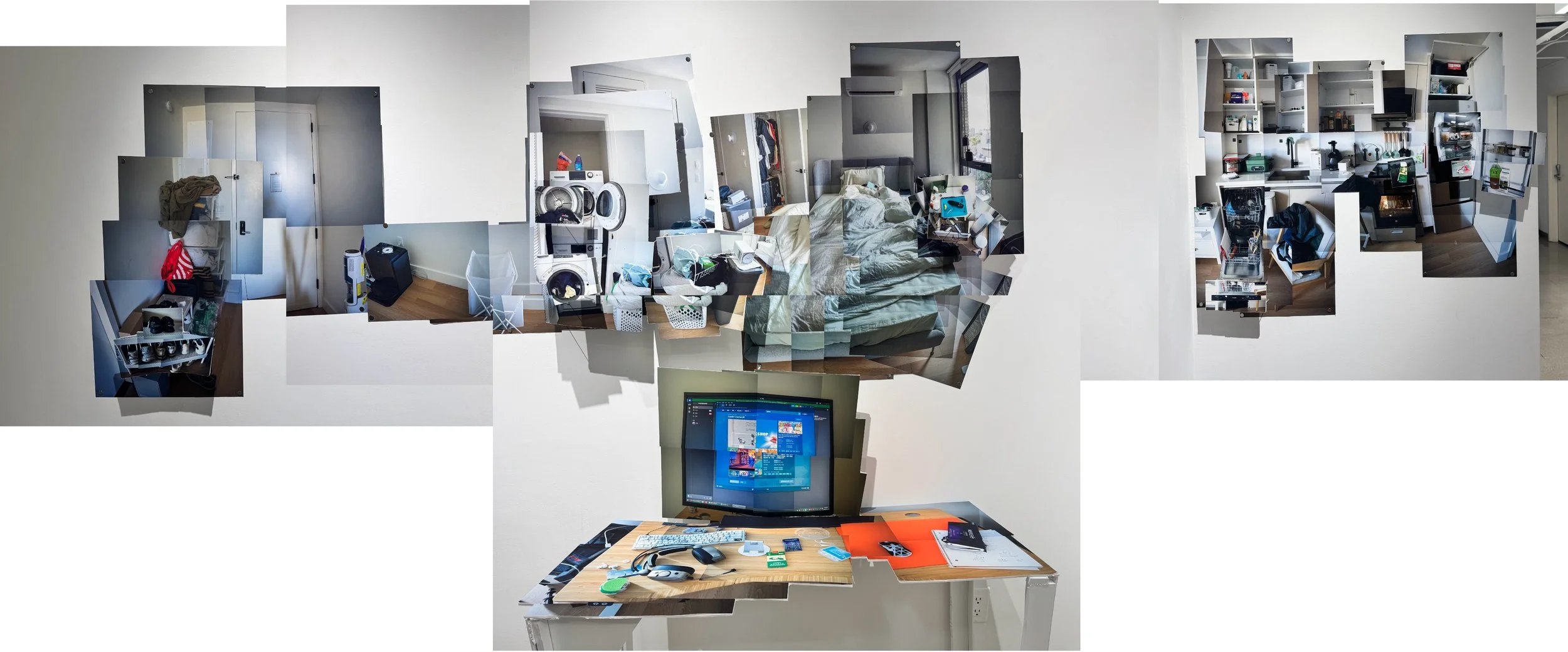
Title: Yan Sheng, Installation Flat View
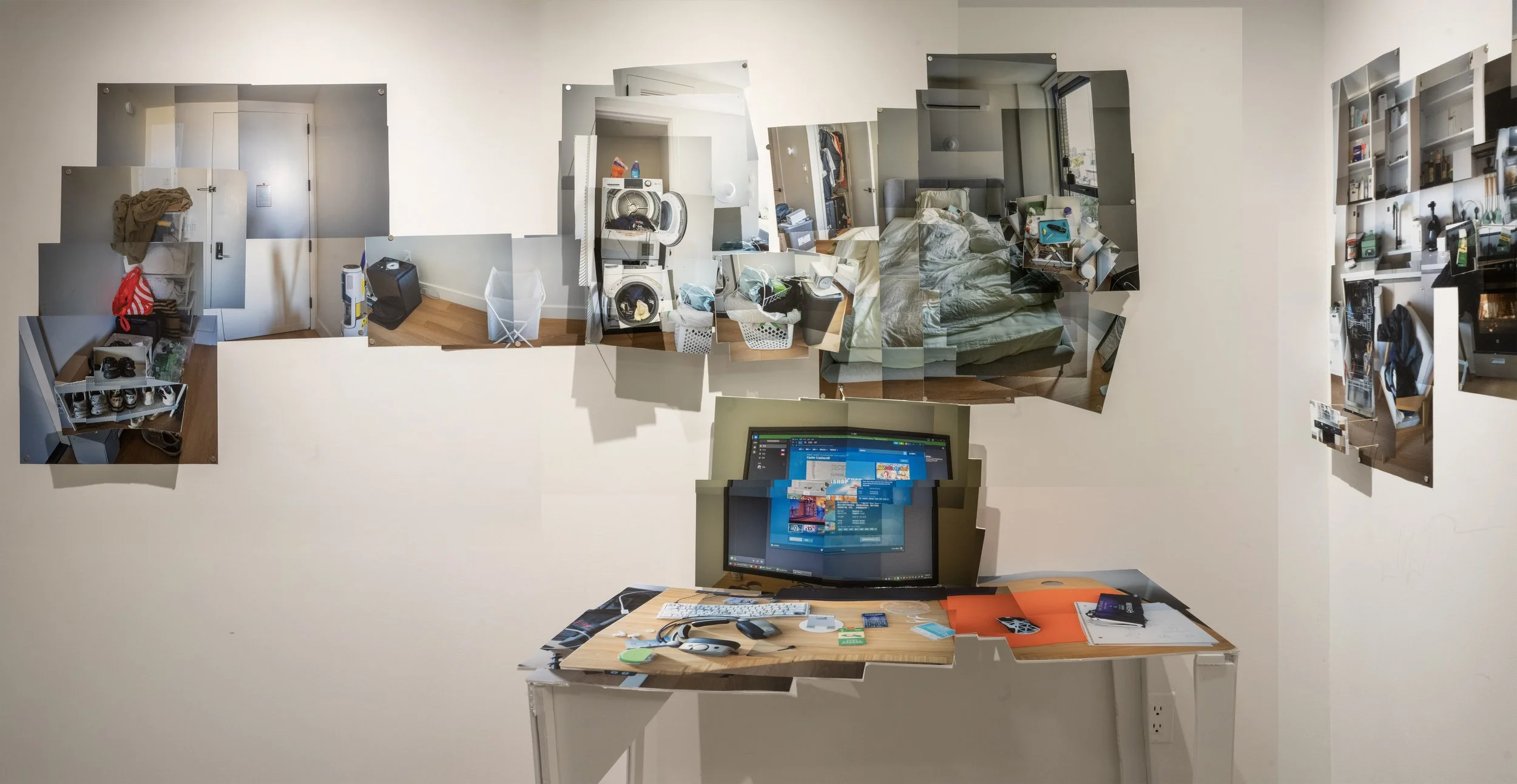
Title: Yan Sheng, Installation
This series explores themes of adulthood, solitude, and privacy. Ideas rooted in my own journey, navigating displacement and belonging. I left home at 14 to attend middle school in the United Kingdom. Our school had a lot of international students, most of them Chinese like me, so it wasn’t a big deal for me to find friends. We all shared a close bond; we went to school and lived with each other every day. Those people were my community; they were, in a sort of way, my family in a foreign country. At 18, I chose a different path from everyone else at my school. I wanted to study photography, and I wanted to study photography in the States. Most of my friends stayed in the UK for university, and most of them were in London or nearby, so they kept their community. I was alone then, in an empty apartment in an unfamiliar city. I felt lonely and stressed about being an adult all of a sudden. Late afternoons are the worst, when the sun is setting, and I’m at home not knowing what to do. I wanted to talk to somebody, I wanted to hang out with somebody, I missed my friends, I missed my family, I missed my school.
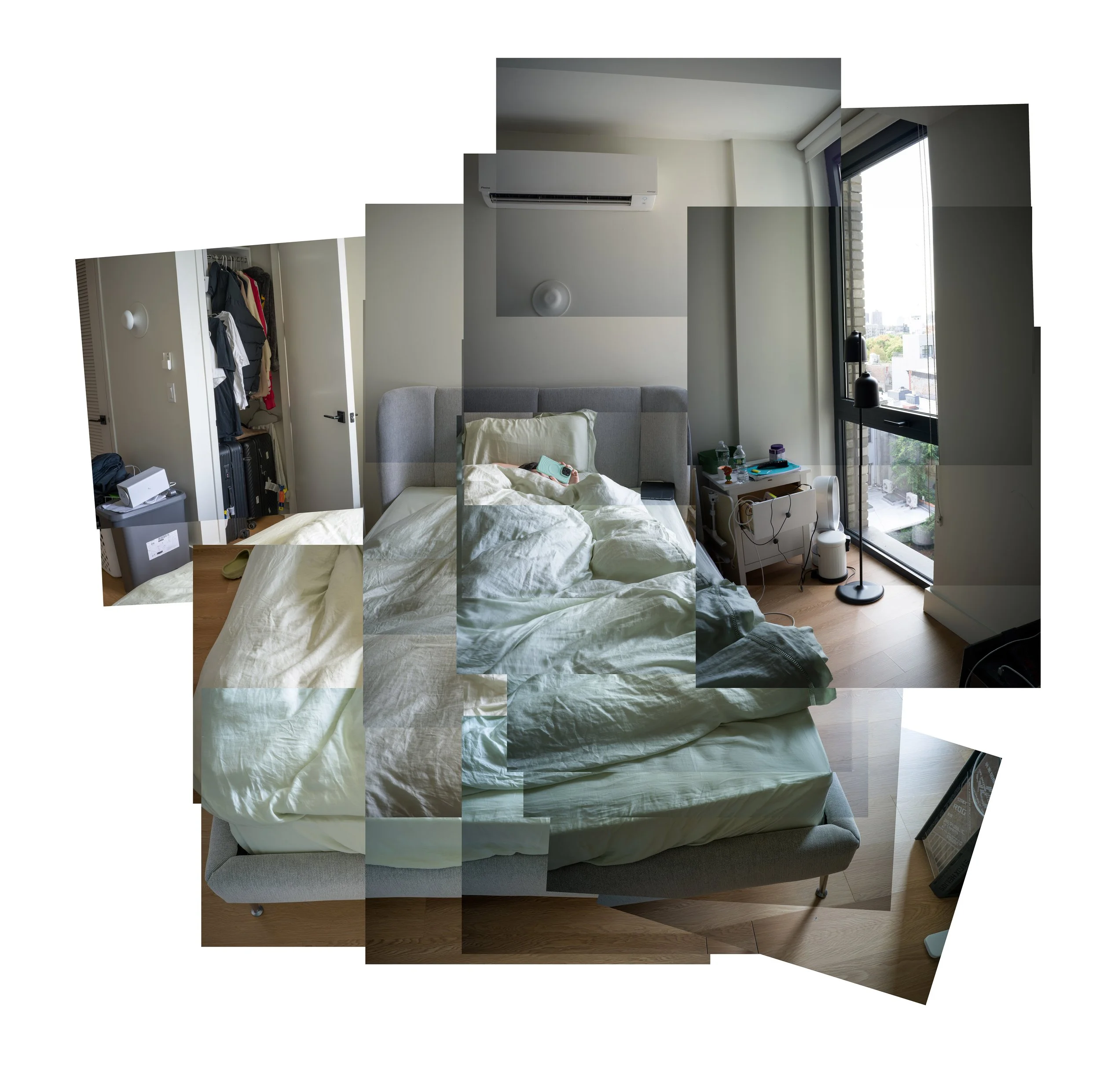
Title: Yan Sheng, Photo Collage, 2025
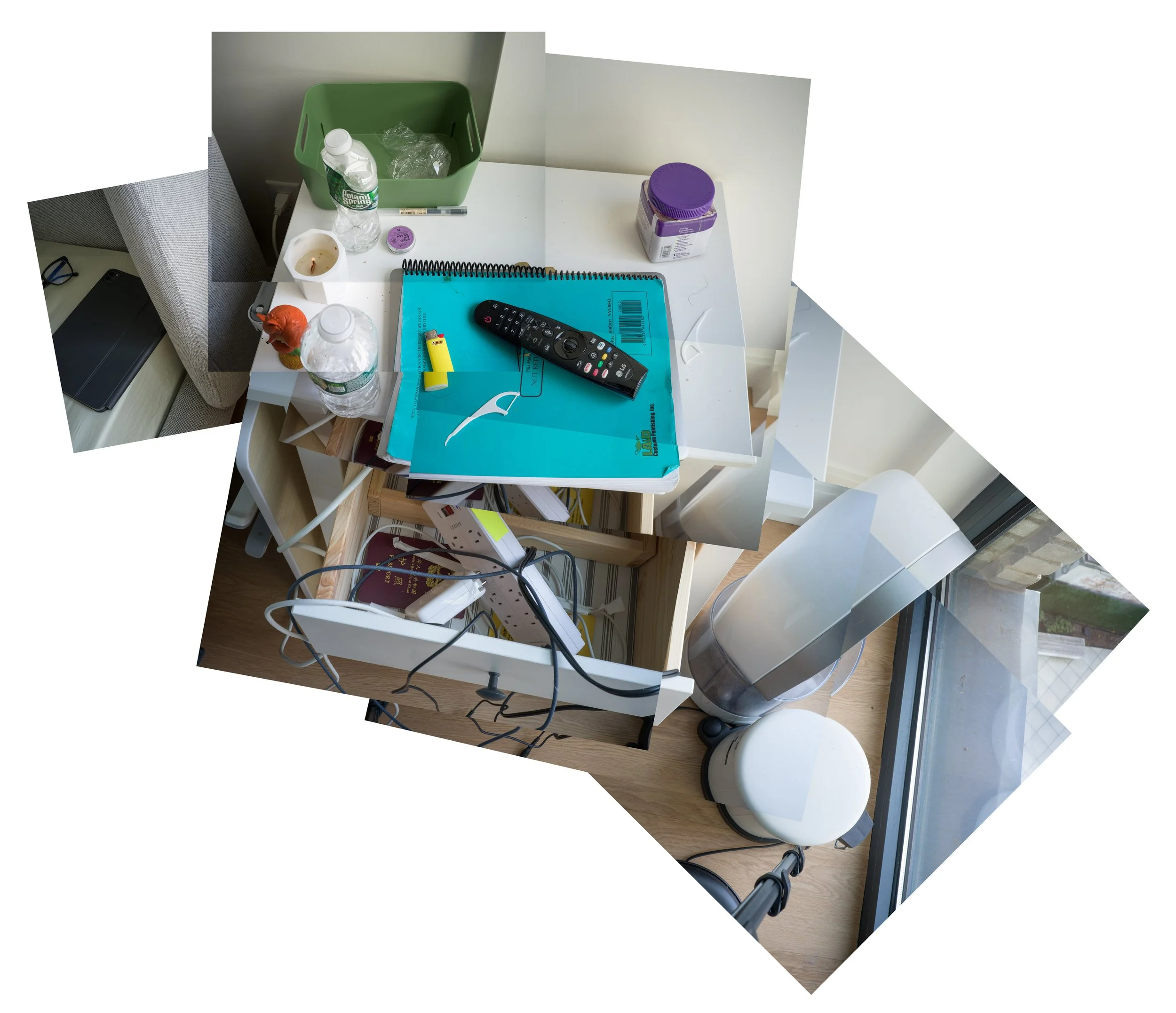
Title: Yan Sheng, Photo Collage, 2025
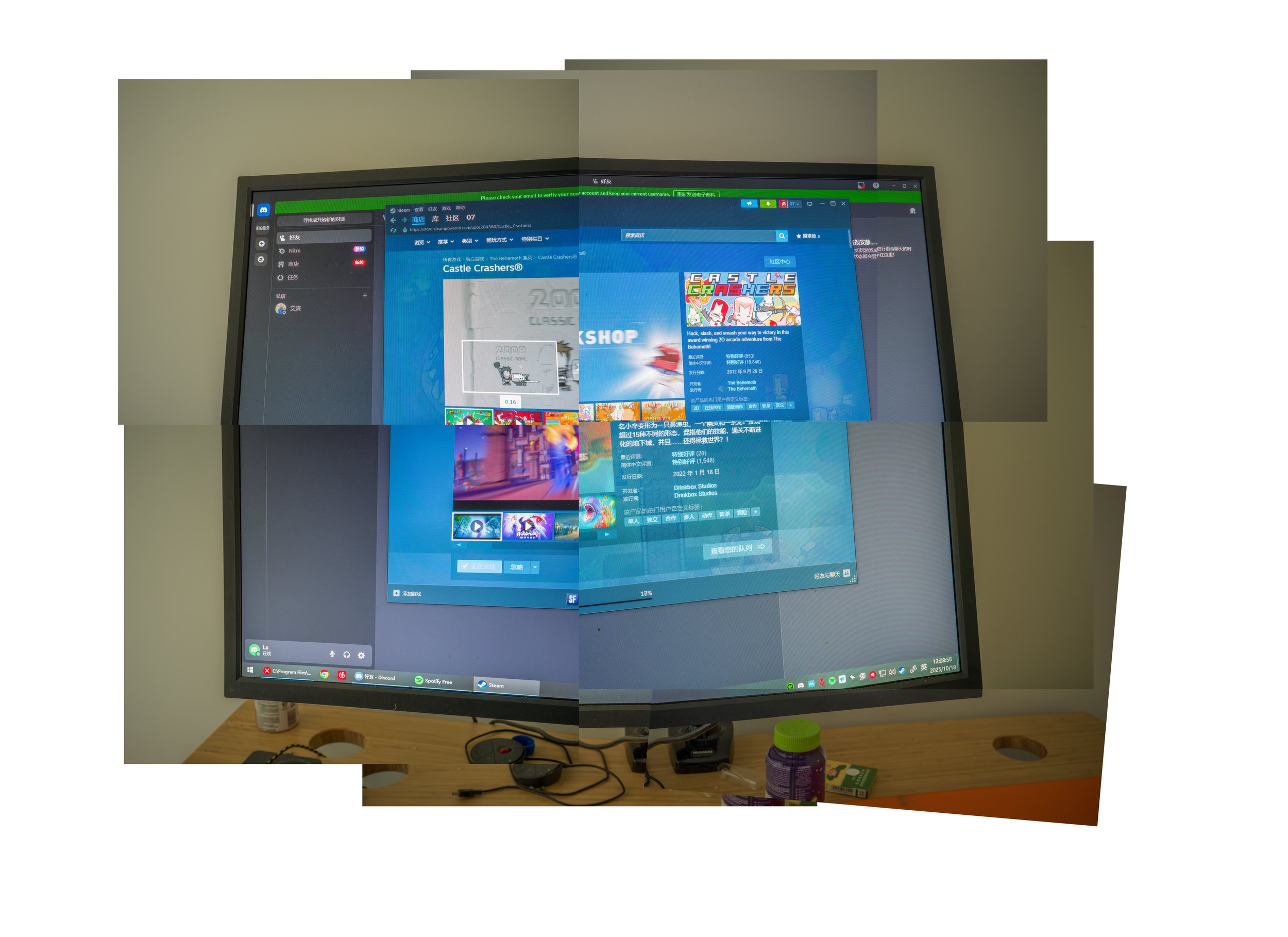
Title: Yan Sheng, Photo Collage, 2025
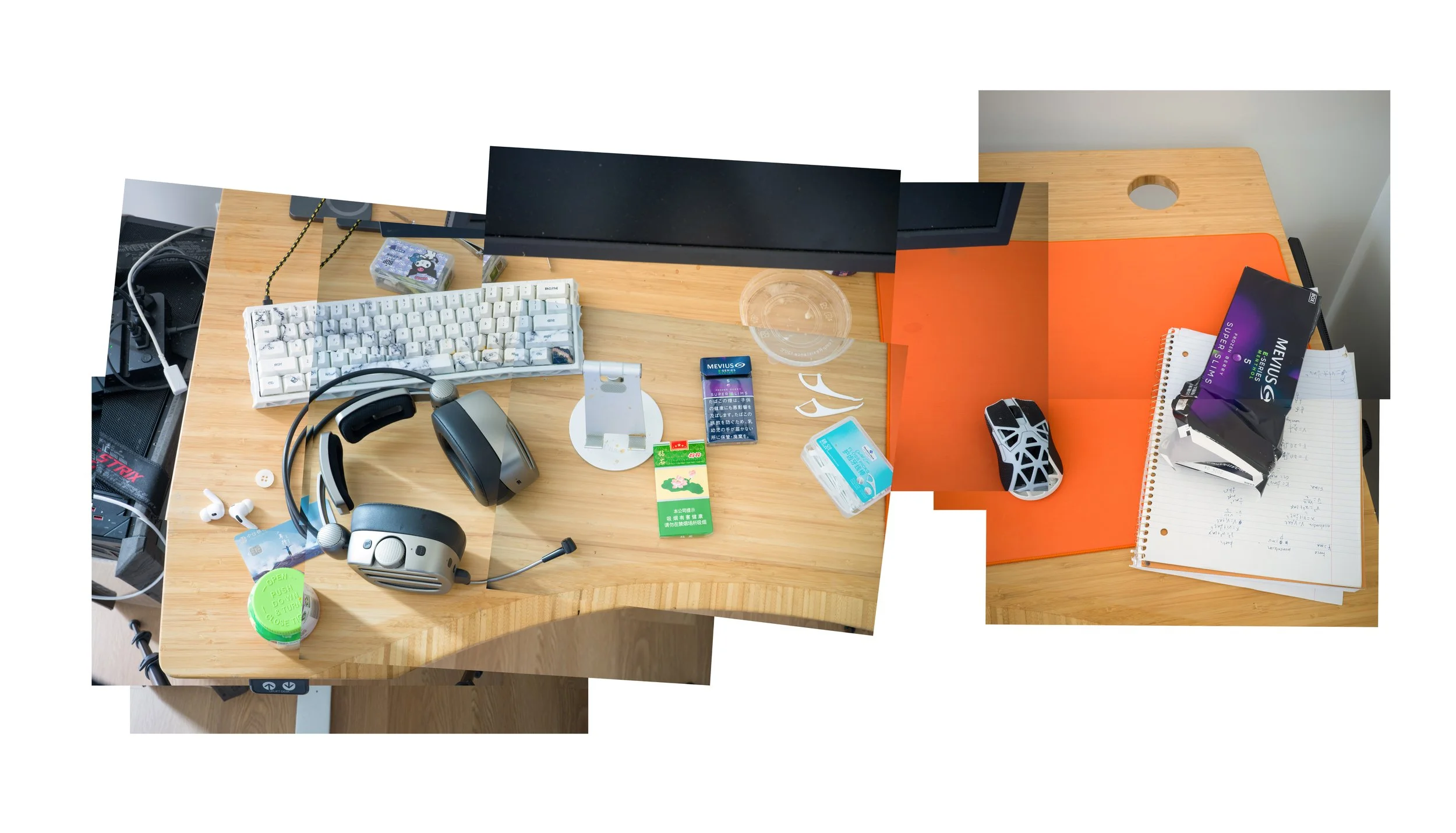
Title: Yan Sheng, Photo Collage, 2025
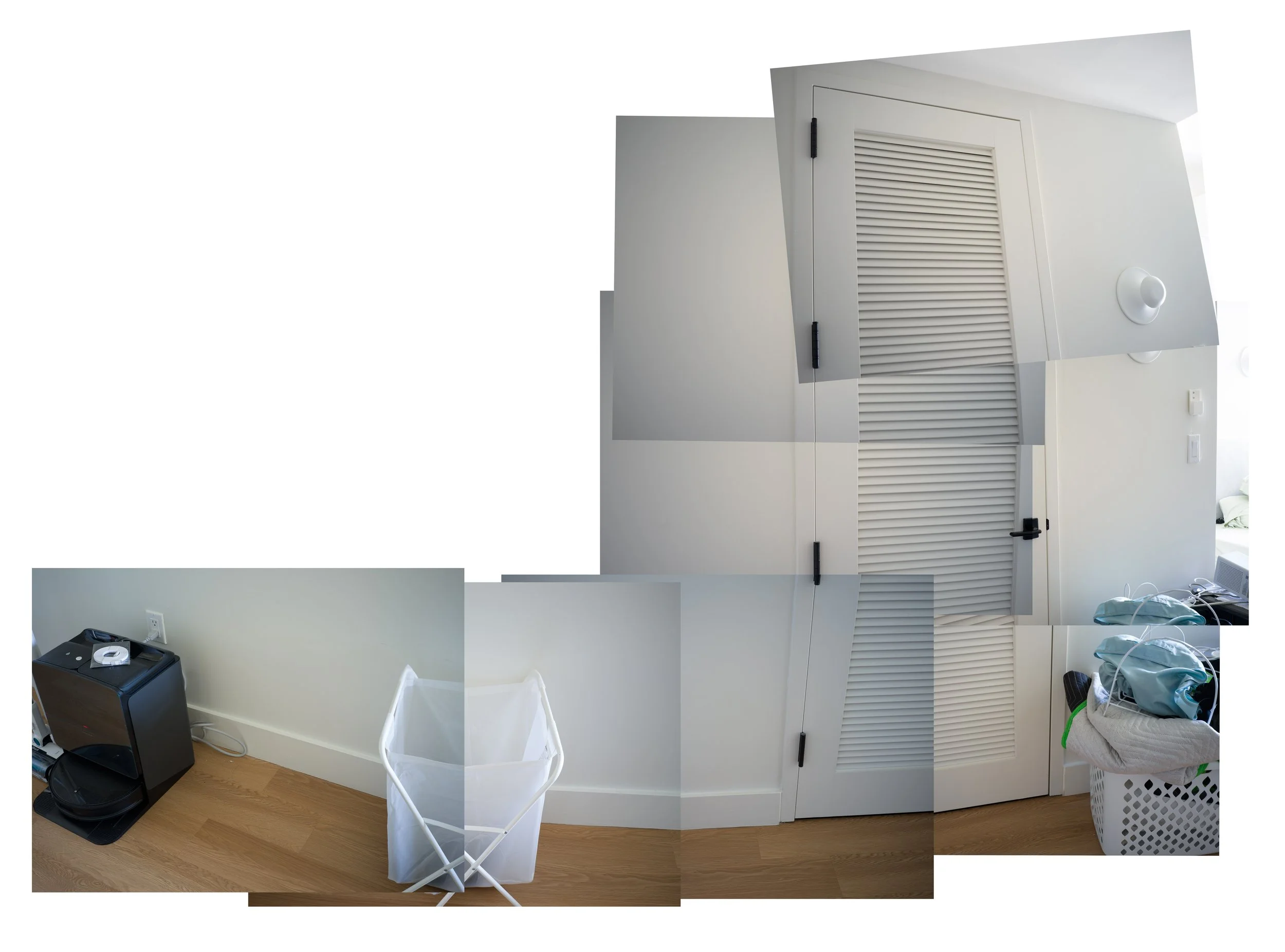
Title: Yan Sheng, Photo Collage, 2025
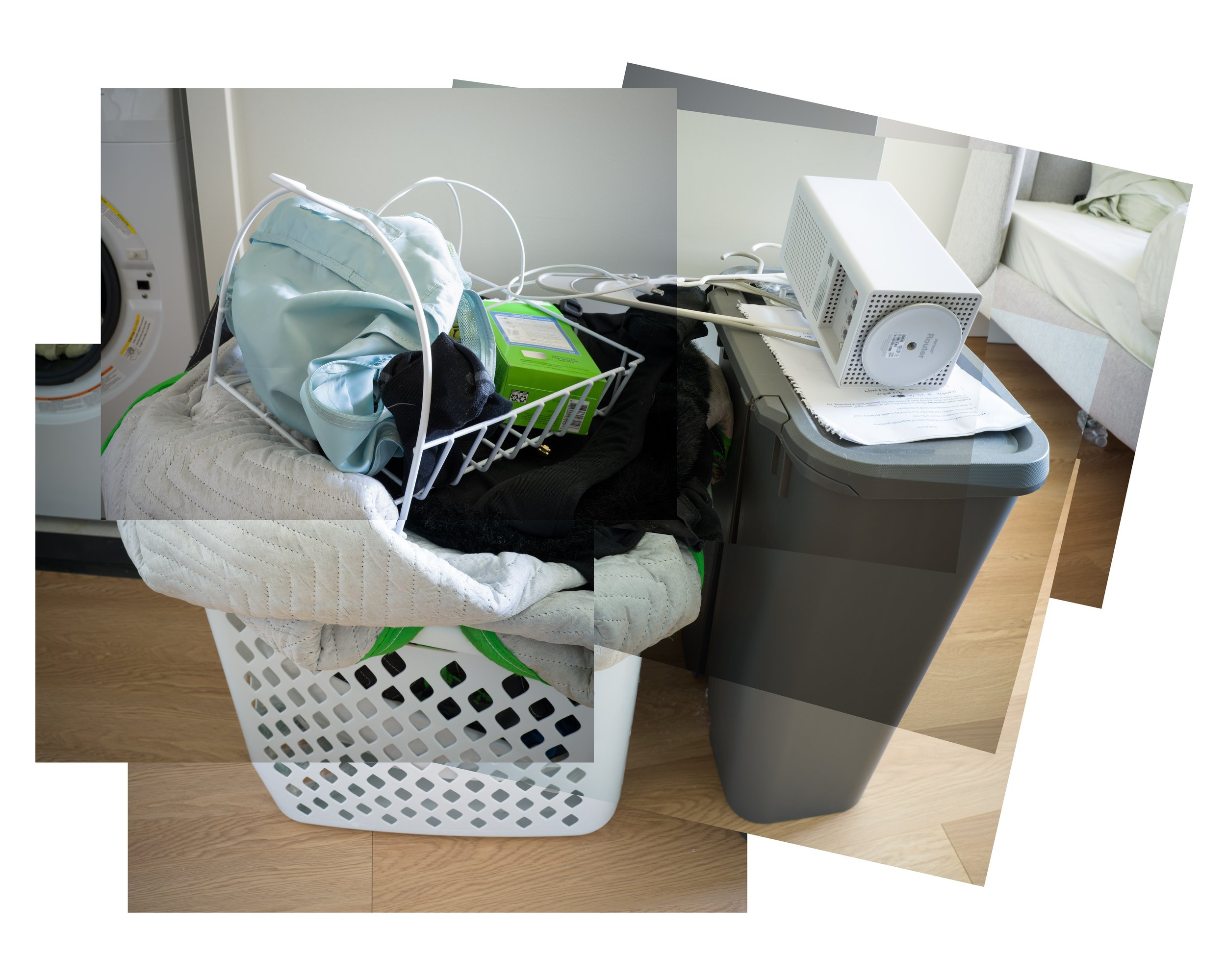
Title: Yan Sheng, Photo Collage, 2025
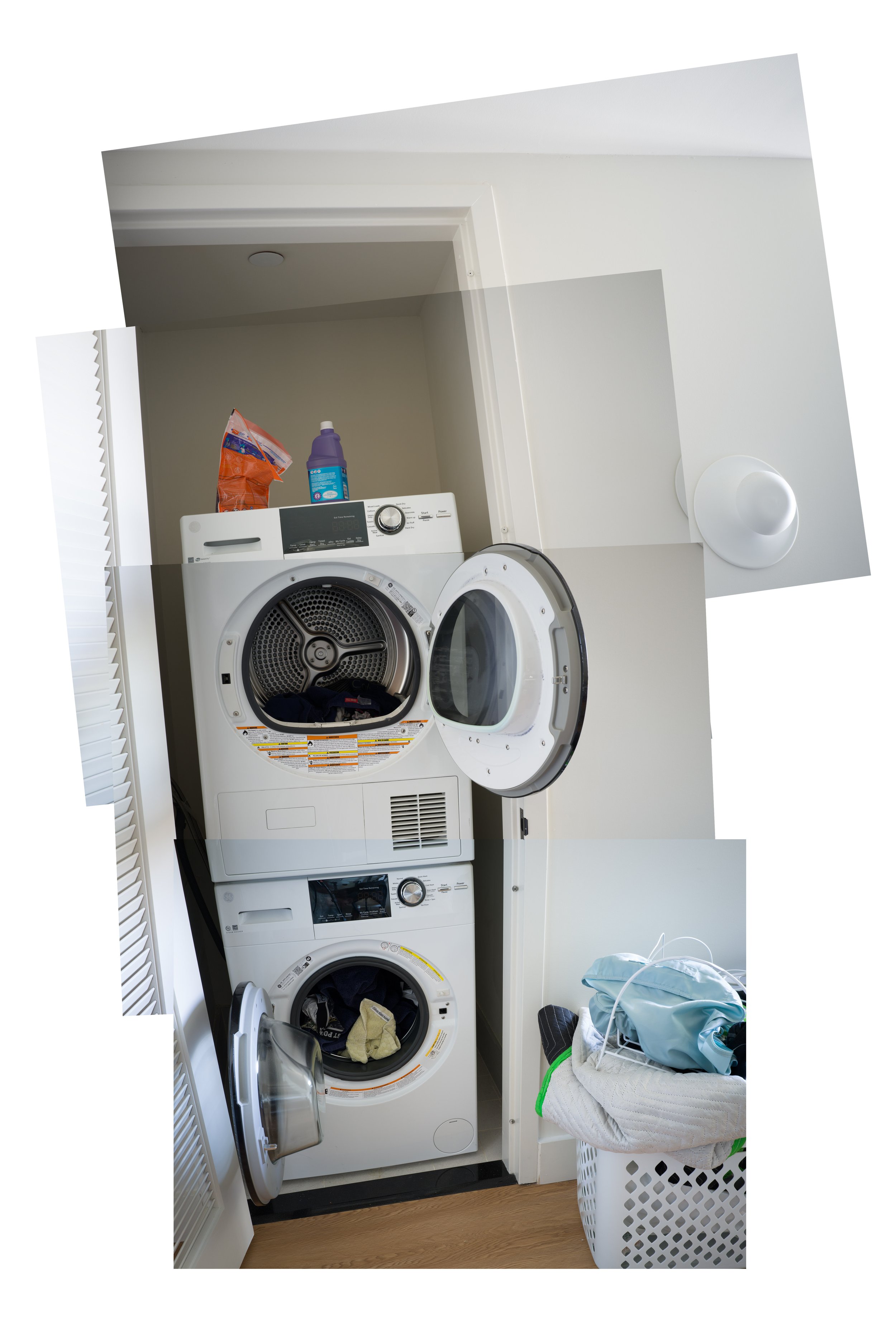
Title: Yan Sheng, Photo Collage, 2025

Title: Yan Sheng, Photo Collage, 2025

Title: Yan Sheng, Photo Collage, 2025
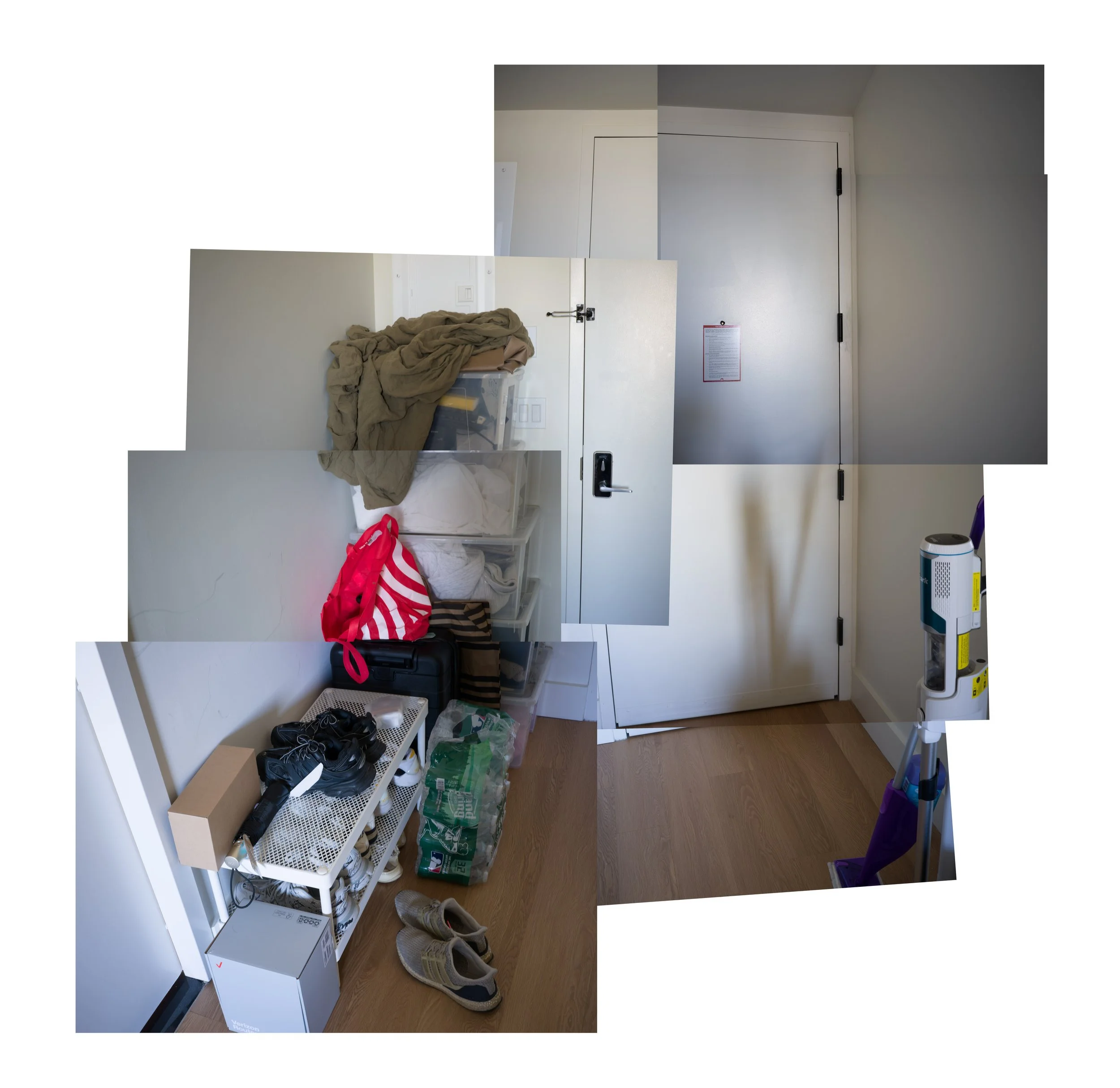
Title: Yan Sheng, Photo Collage, 2025
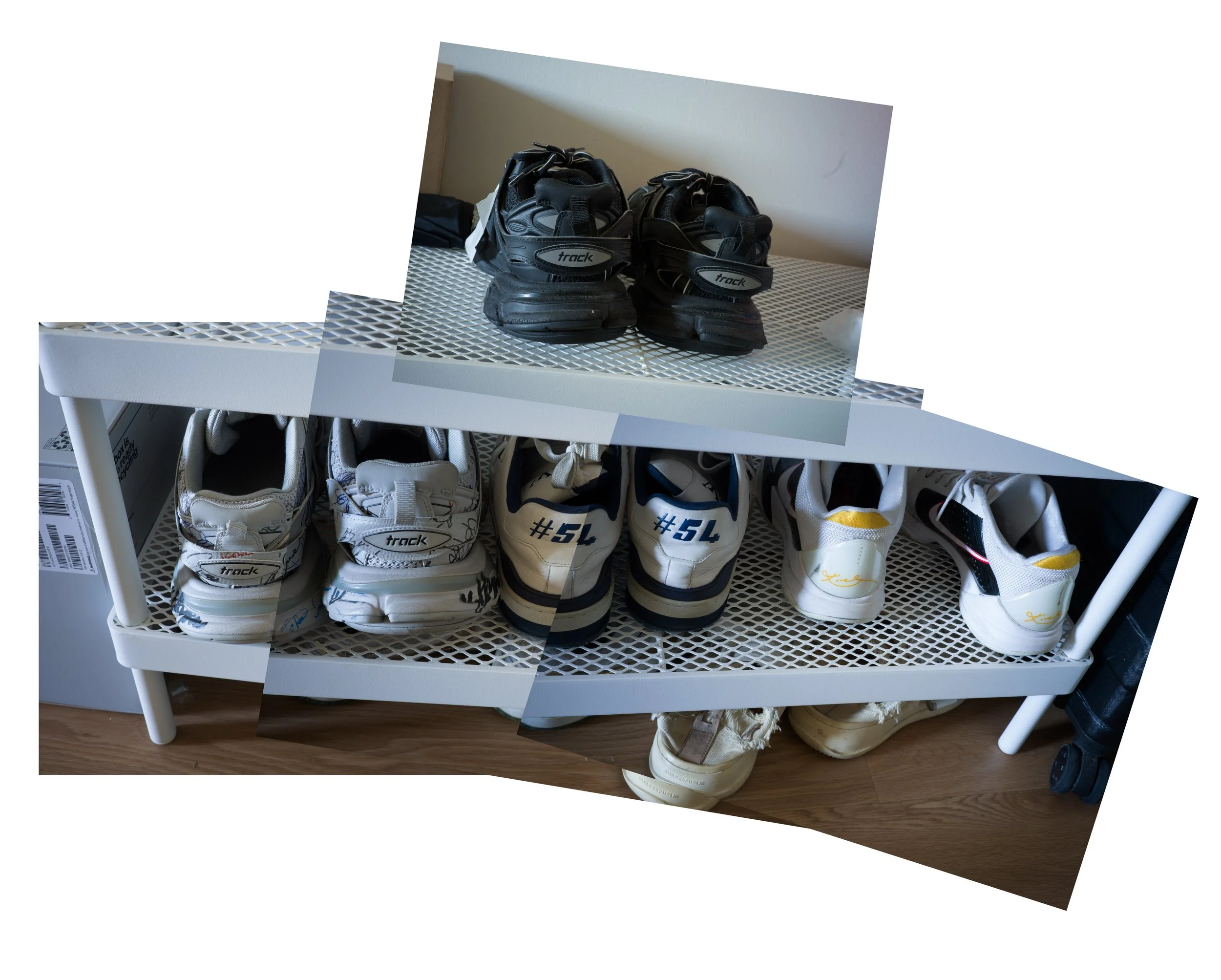
Title: Yan Sheng, Photo Collage, 2025
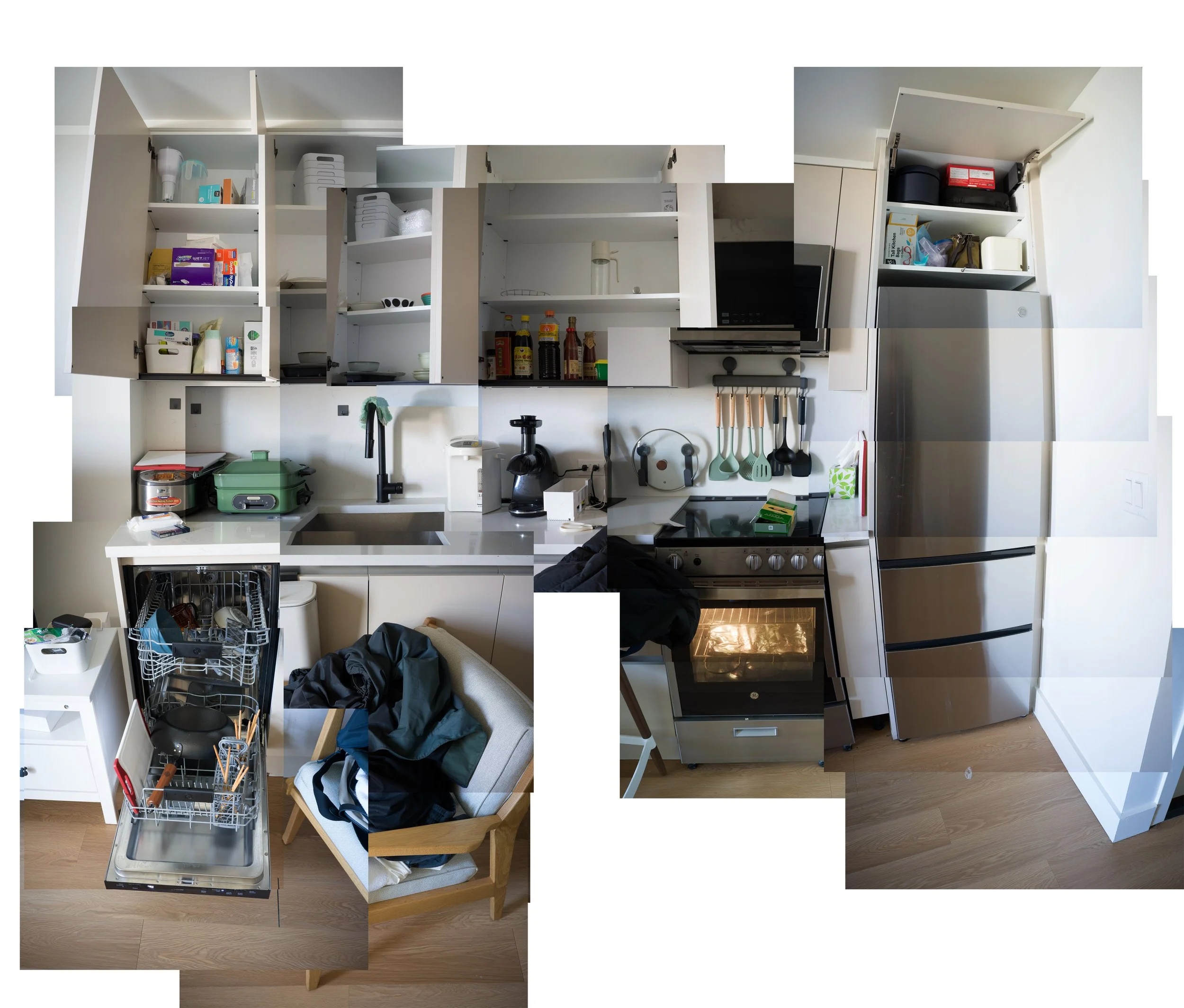
Title: Yan Sheng, Photo Collage, 2025
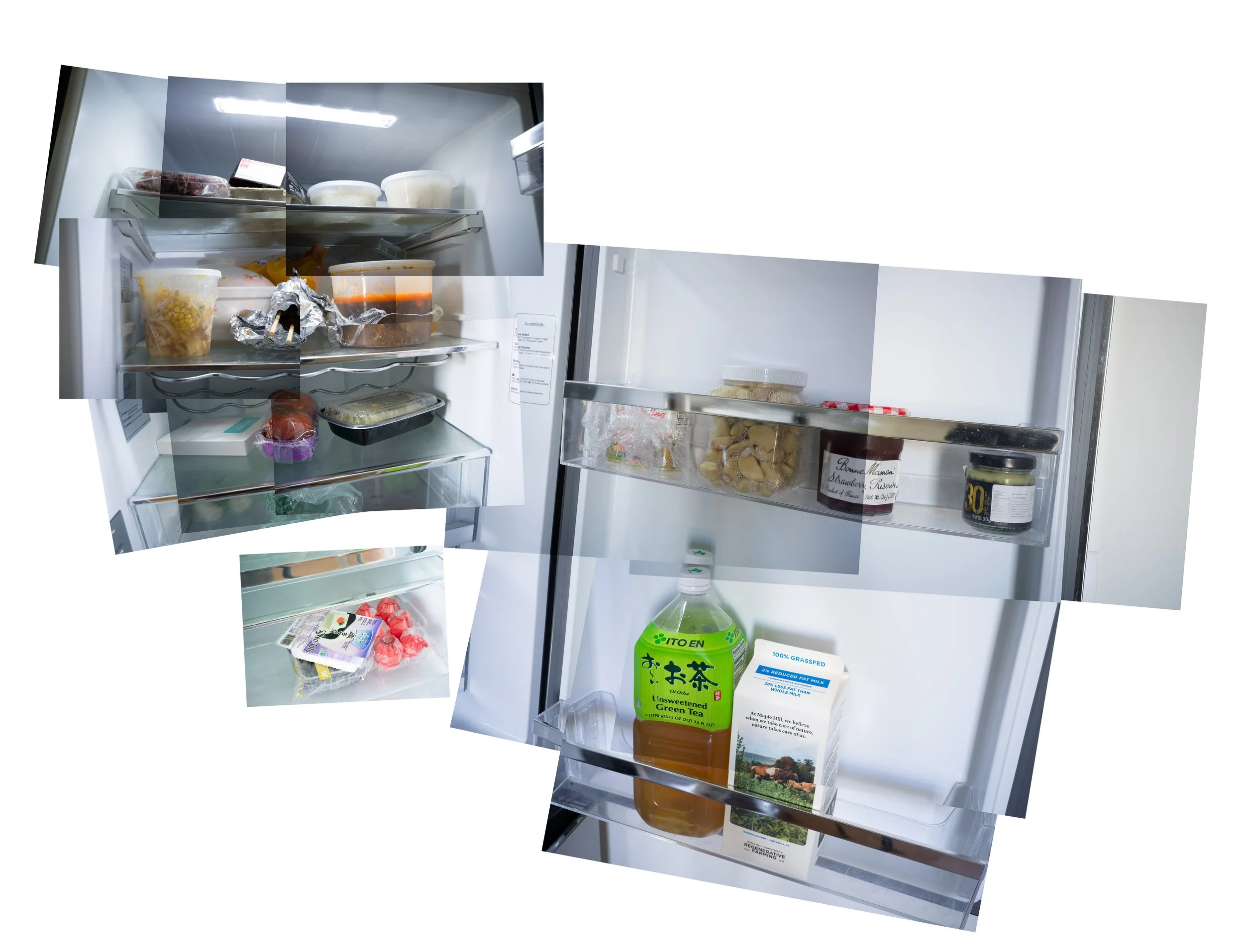
Title: Yan Sheng, Photo Collage, 2025
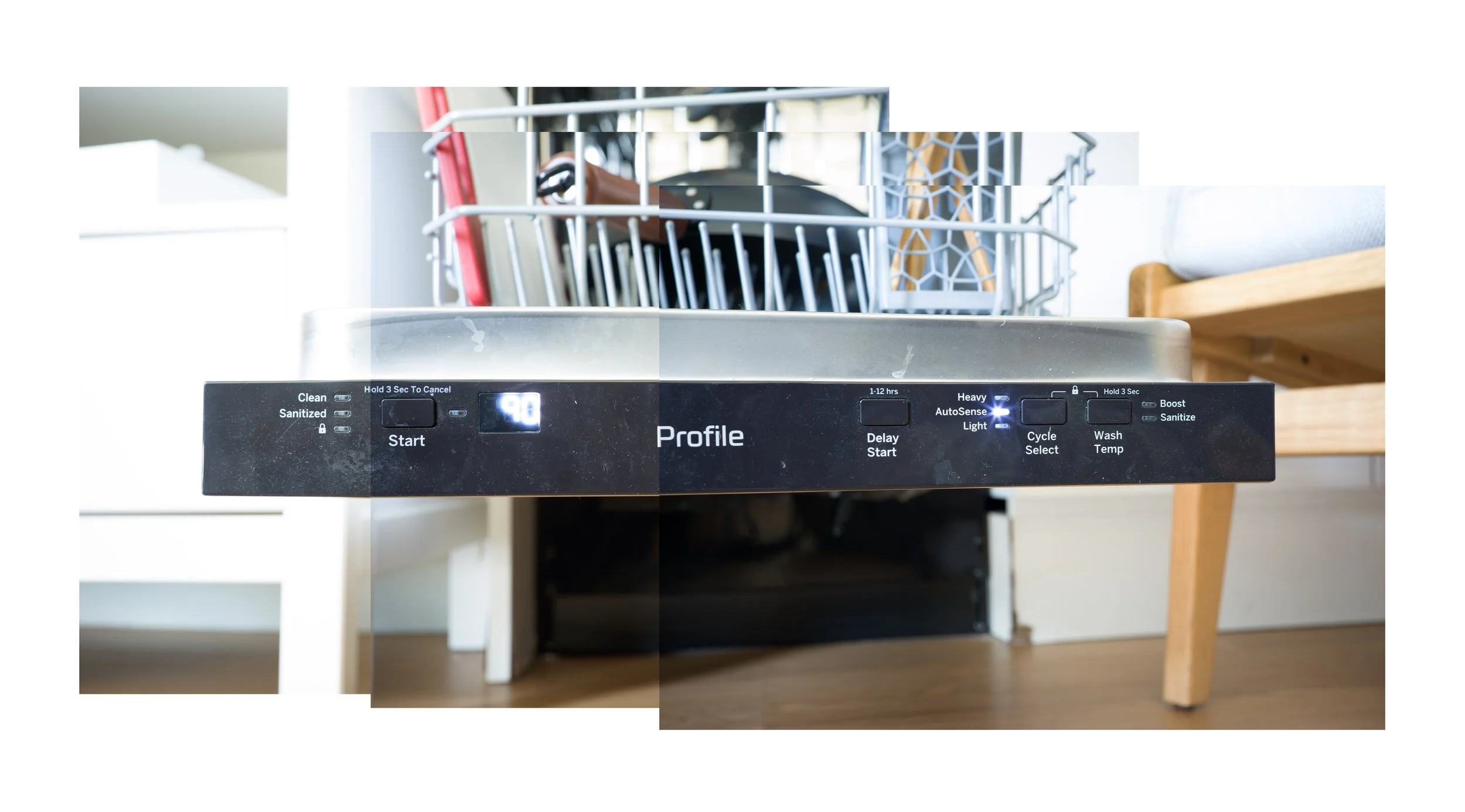
Title: Yan Sheng, Photo Collage, 2025
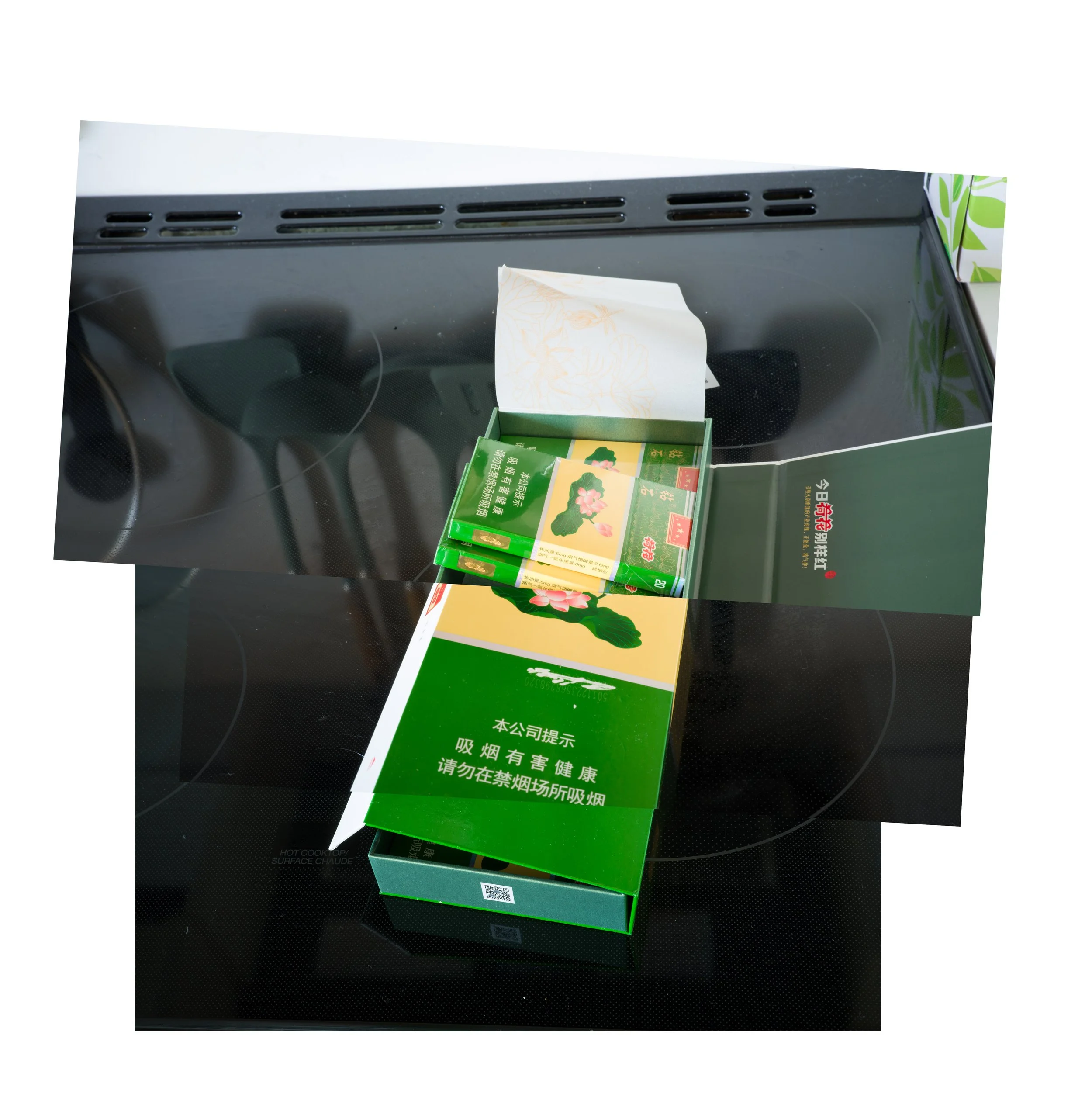
Title: Yan Sheng, Photo Collage, 2025
Over time, I got used to life here in New York, at the university. Living by ourselves isn’t all bad; there isn’t my dad to scold me for staying up late at night, nor is there my grandma to yank open the curtains in my room for not getting up in the morning. Am I free?
As years passed, I grew to love this life. I felt a sense of belonging to the city, cherishing my time here, and began to build a new community on campus. Yet this bond felt temporary; we were all so similar in our struggles to grow into adulthood, yet still emotionally distant. We would only share these four years together, after which we’d scatter to different corners of the world and drift apart.
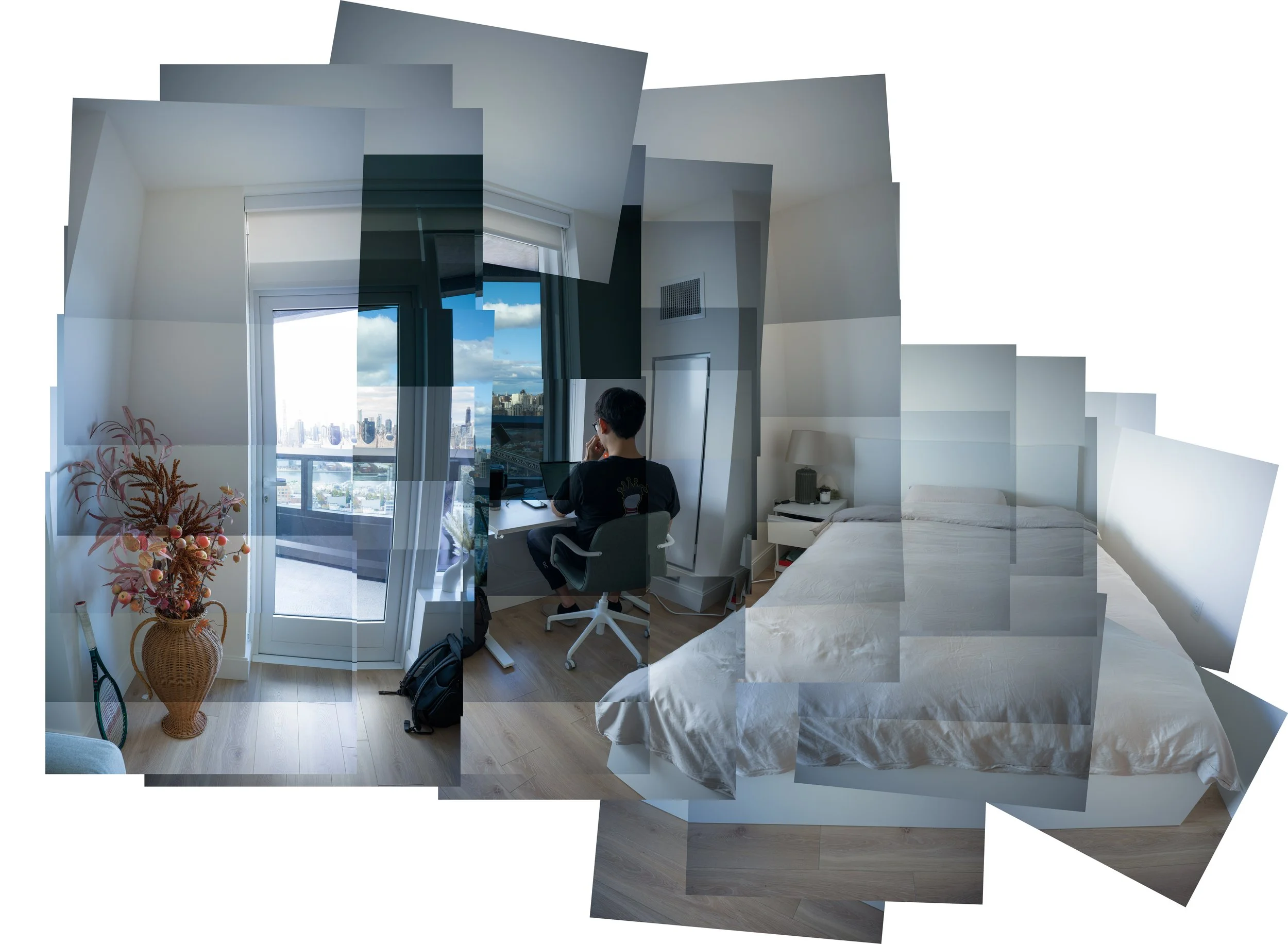
Title: Yilin Sha, Photo Collage, 2025
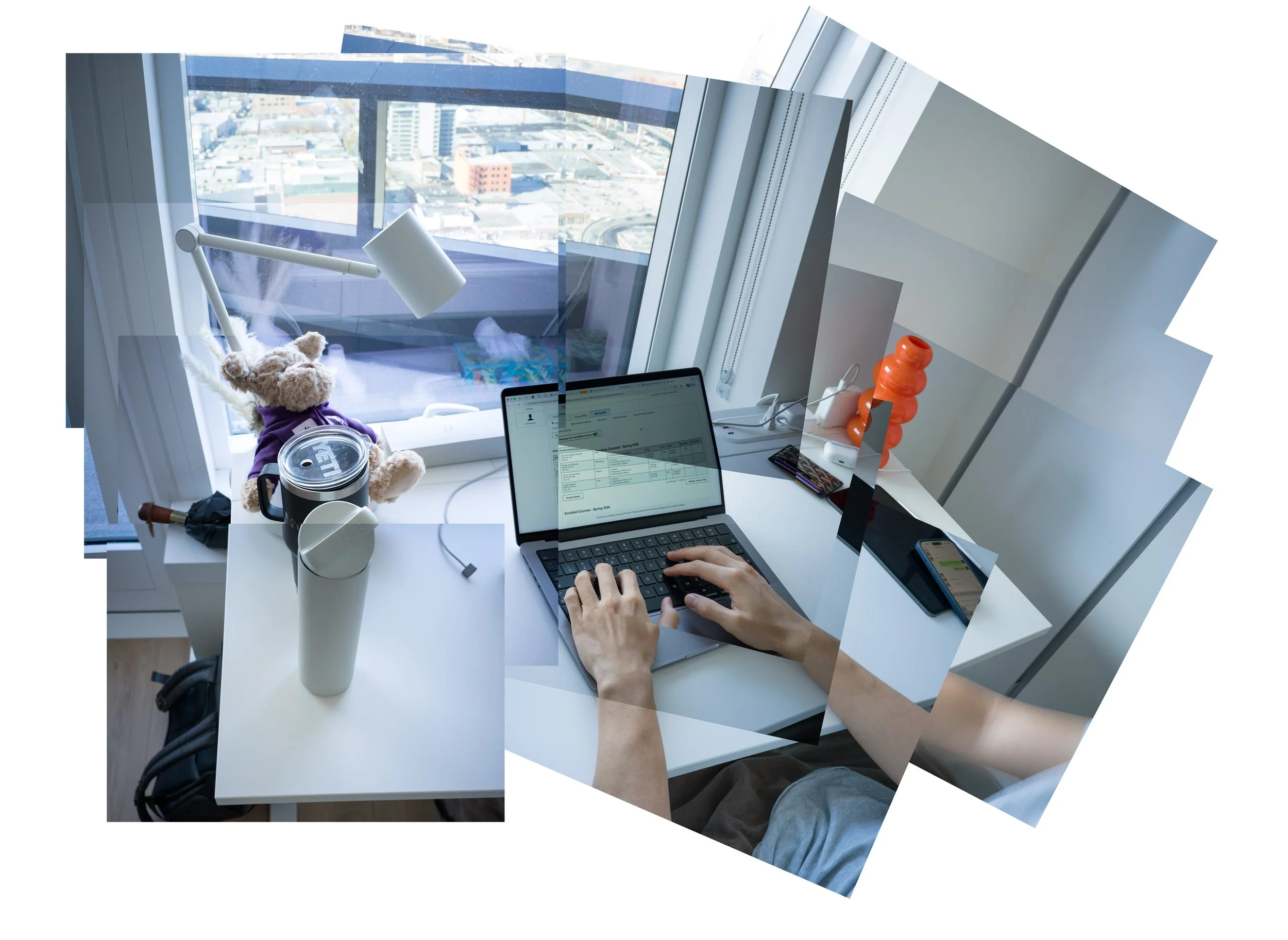
Title: Yilin Sha, Photo Collage, 2025
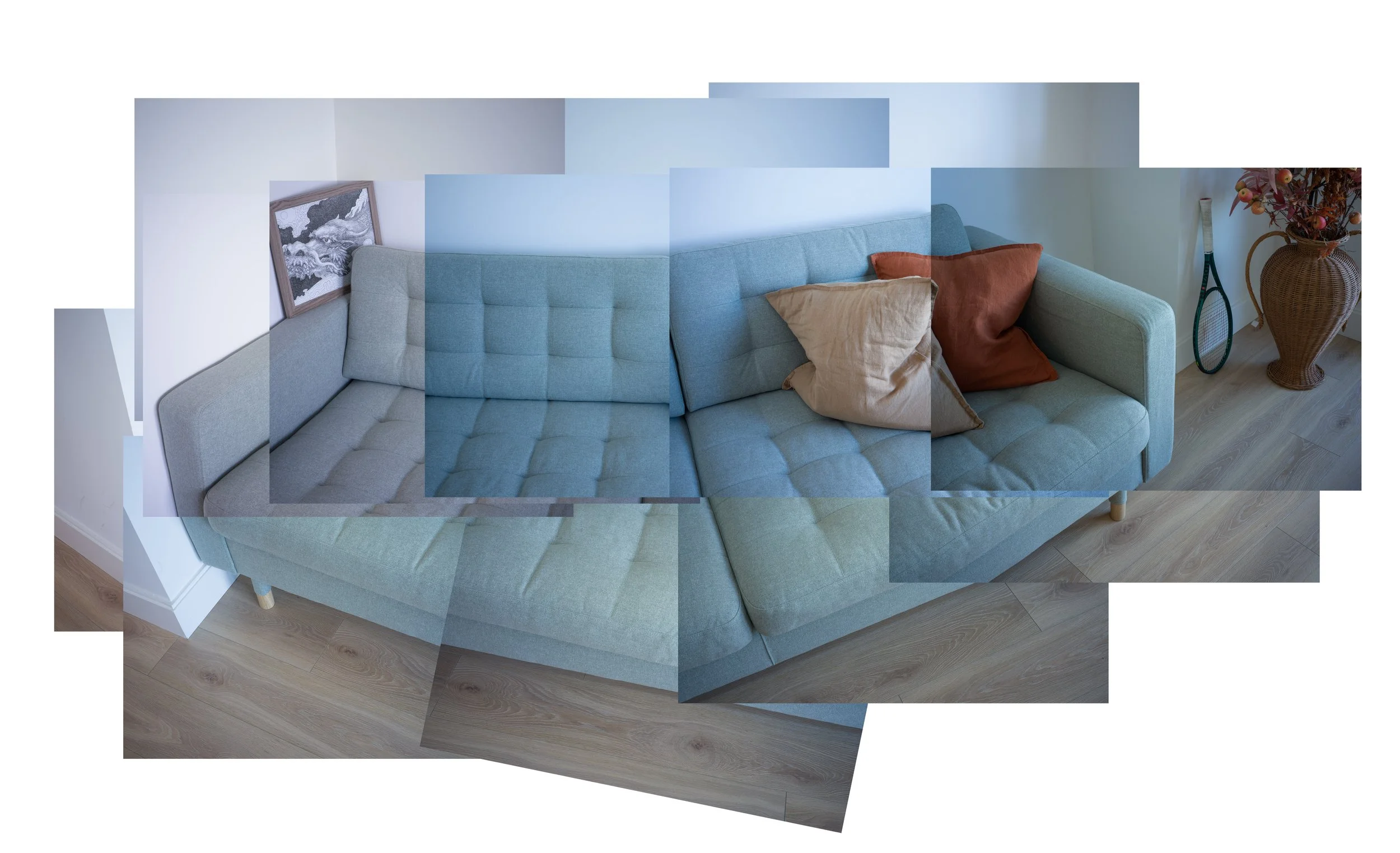
Title: Yilin Sha, Photo Collage, 2025
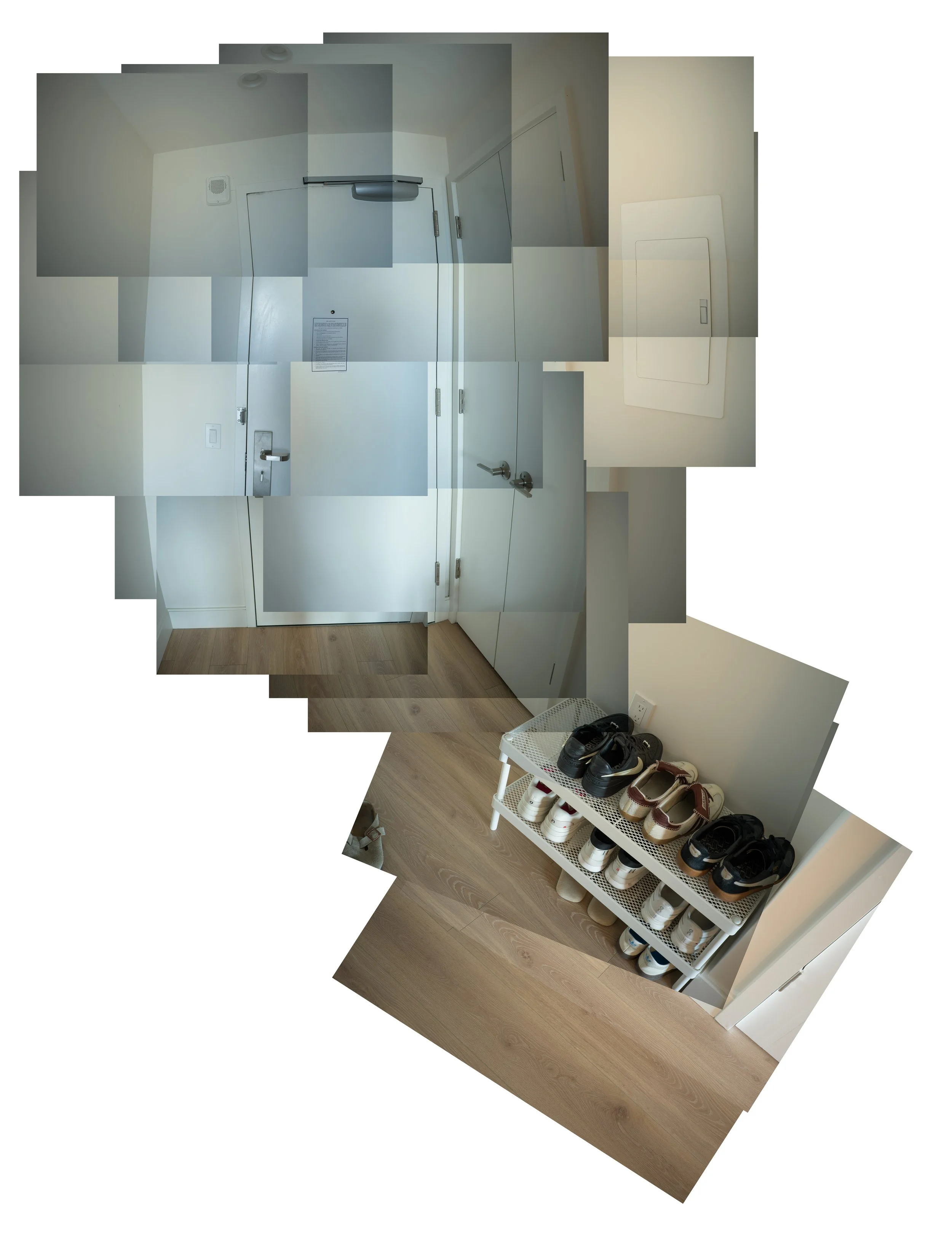
Title: Yilin Sha, Photo Collage, 2025
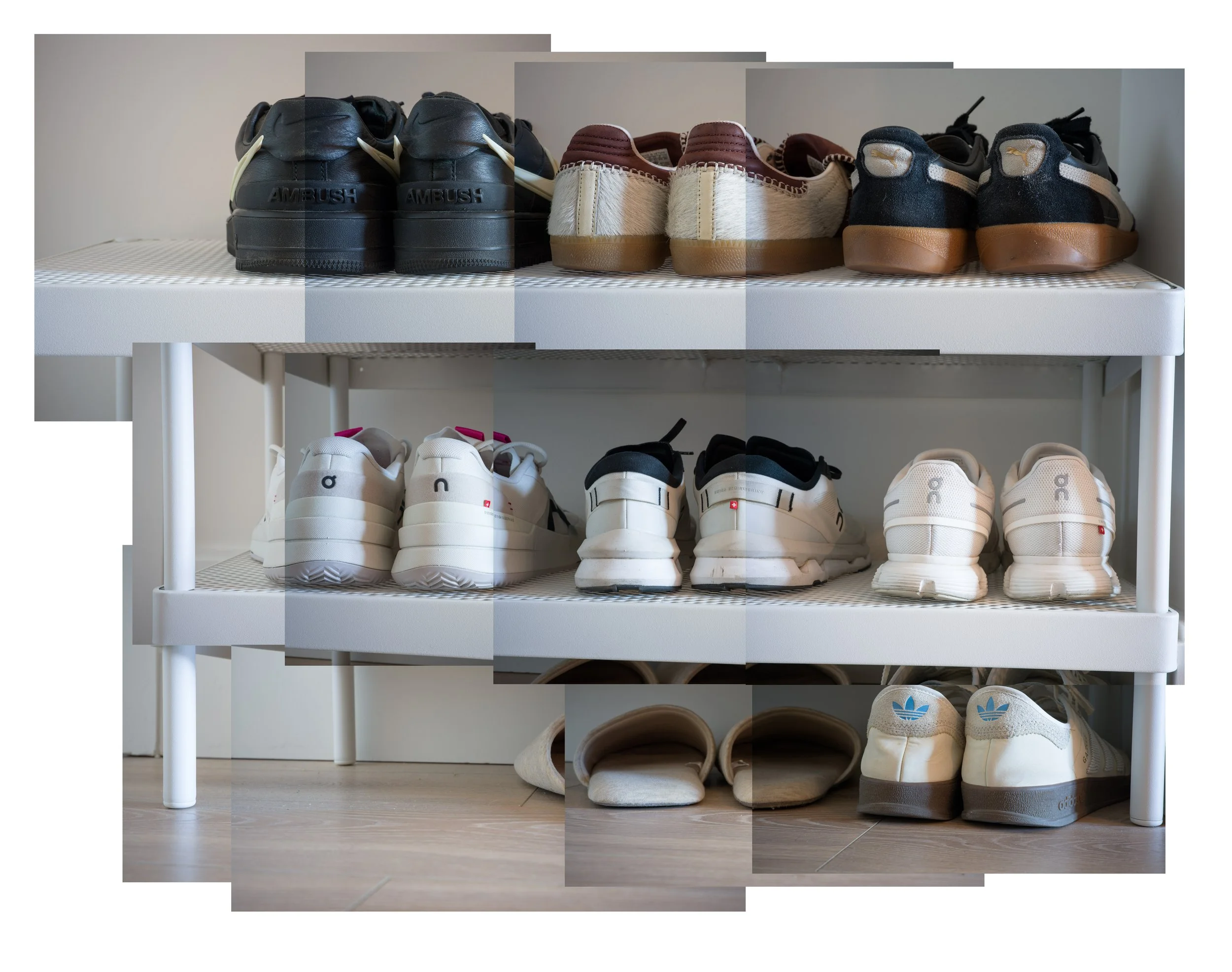
Title: Yilin Sha, Photo Collage, 2025
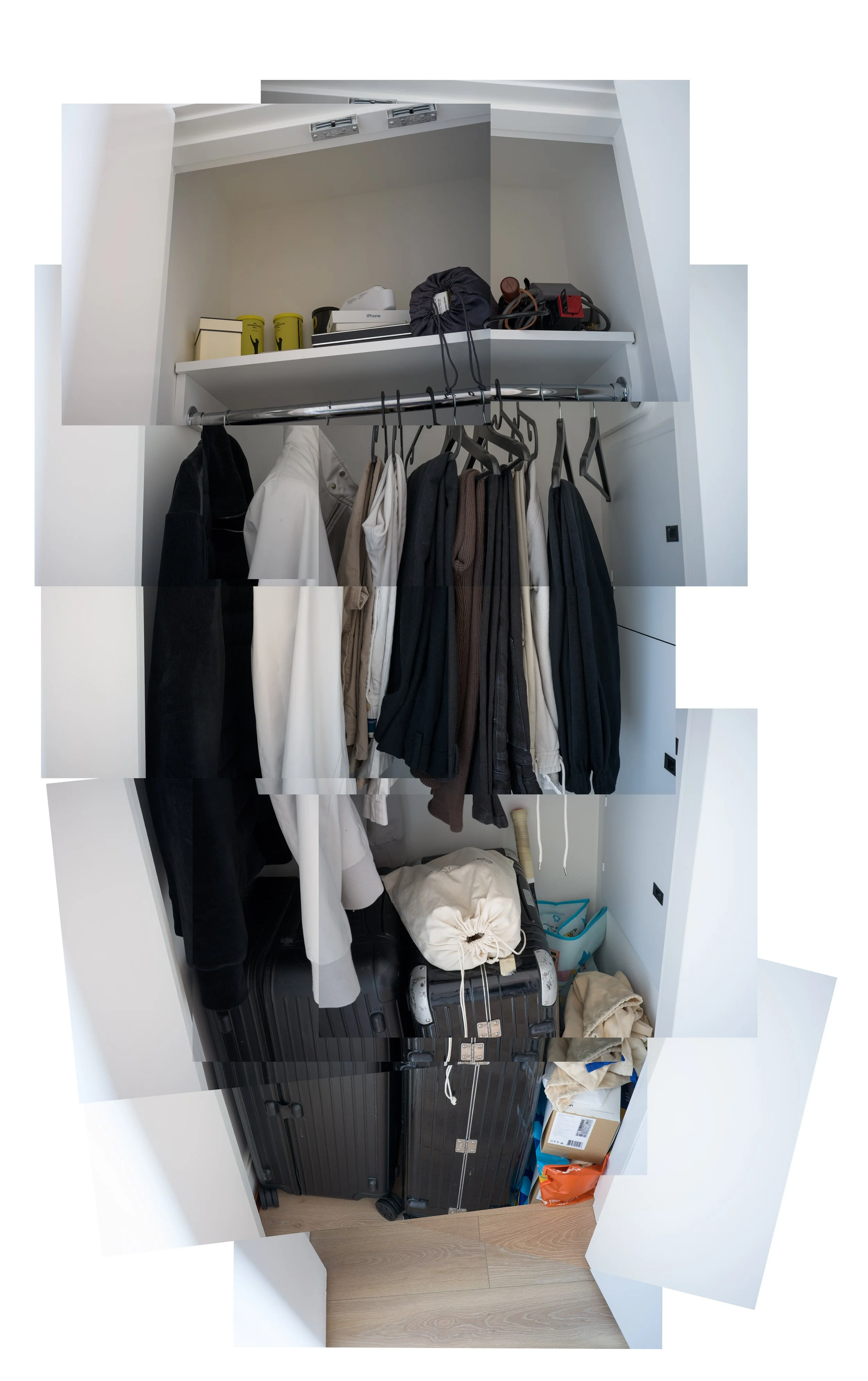
Title: Yilin Sha, Photo Collage, 2025
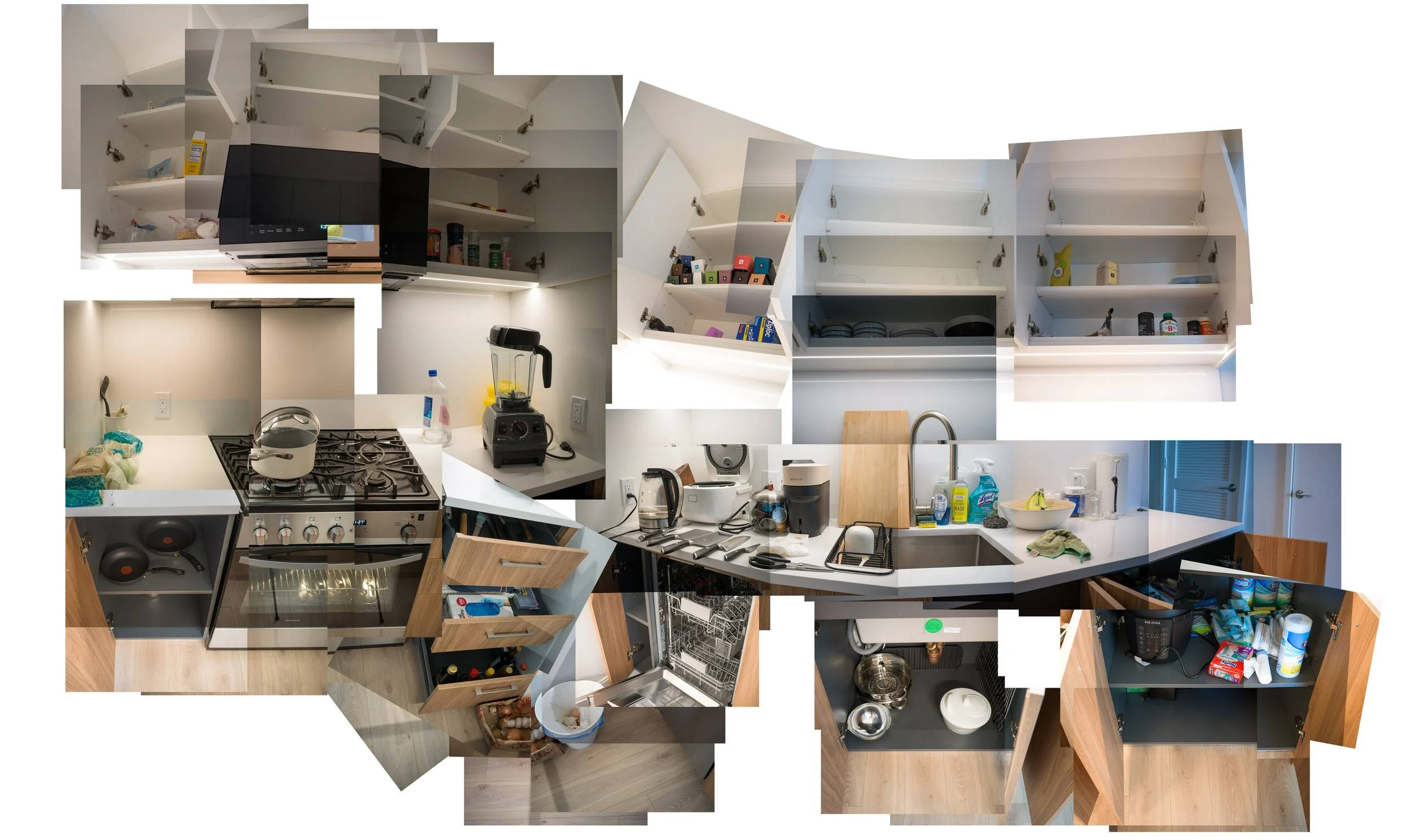
Title: Yilin Sha, Photo Collage, 2025
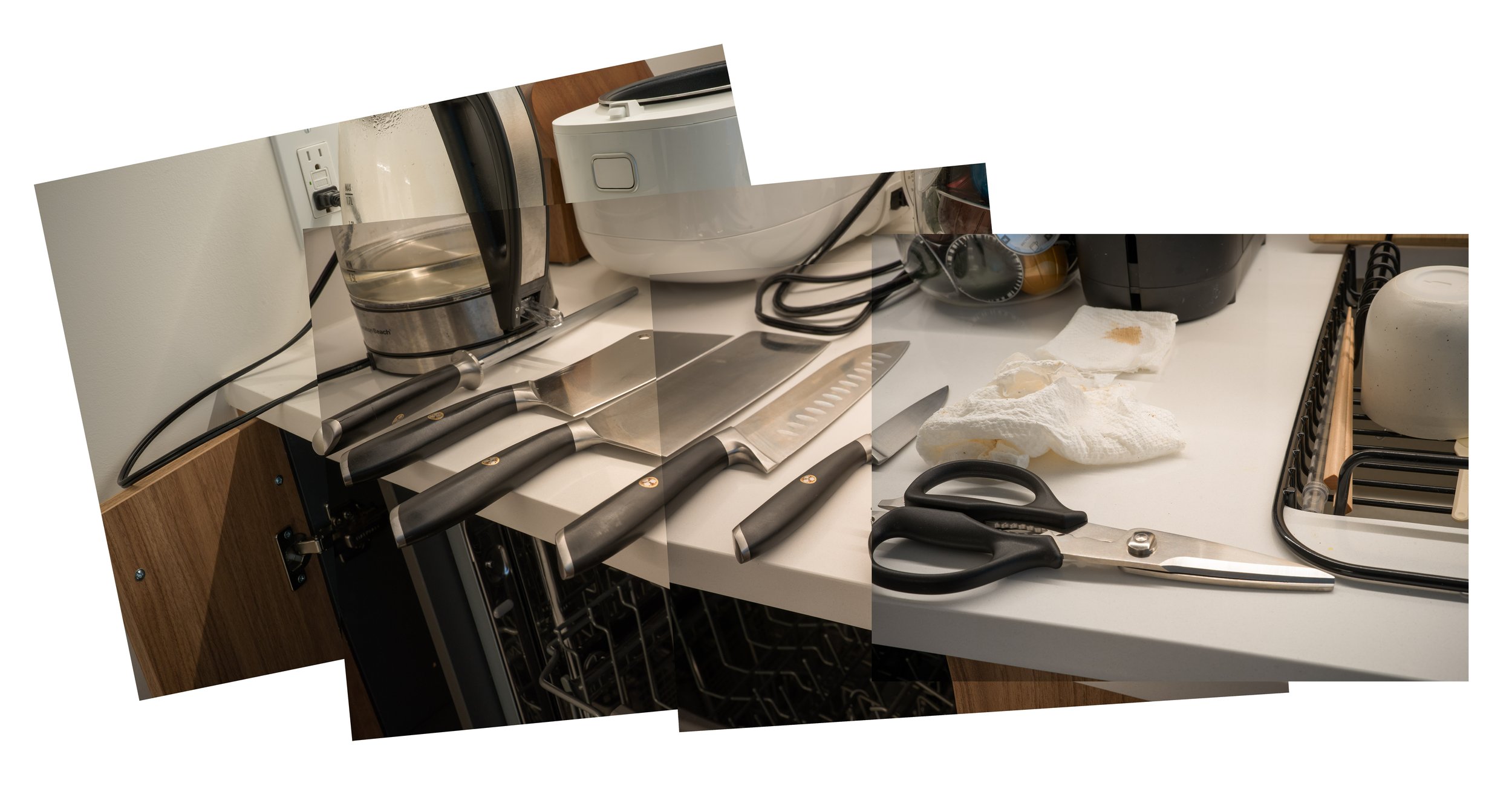
Title: Yilin Sha, Photo Collage, 2025
It was this experience of belonging and displacement that inspired my project: framing a person’s living environment as a portrait of their inner life. I believe a person’s belongings, daily traces, and small habits hold the truest stories of who they are. In each shoot, I capture both overviews of apartment spaces and intimate details that reveal unguarded truths. This could be a cluttered tabletop with personal items, or a bedside drawer stocked with medications.
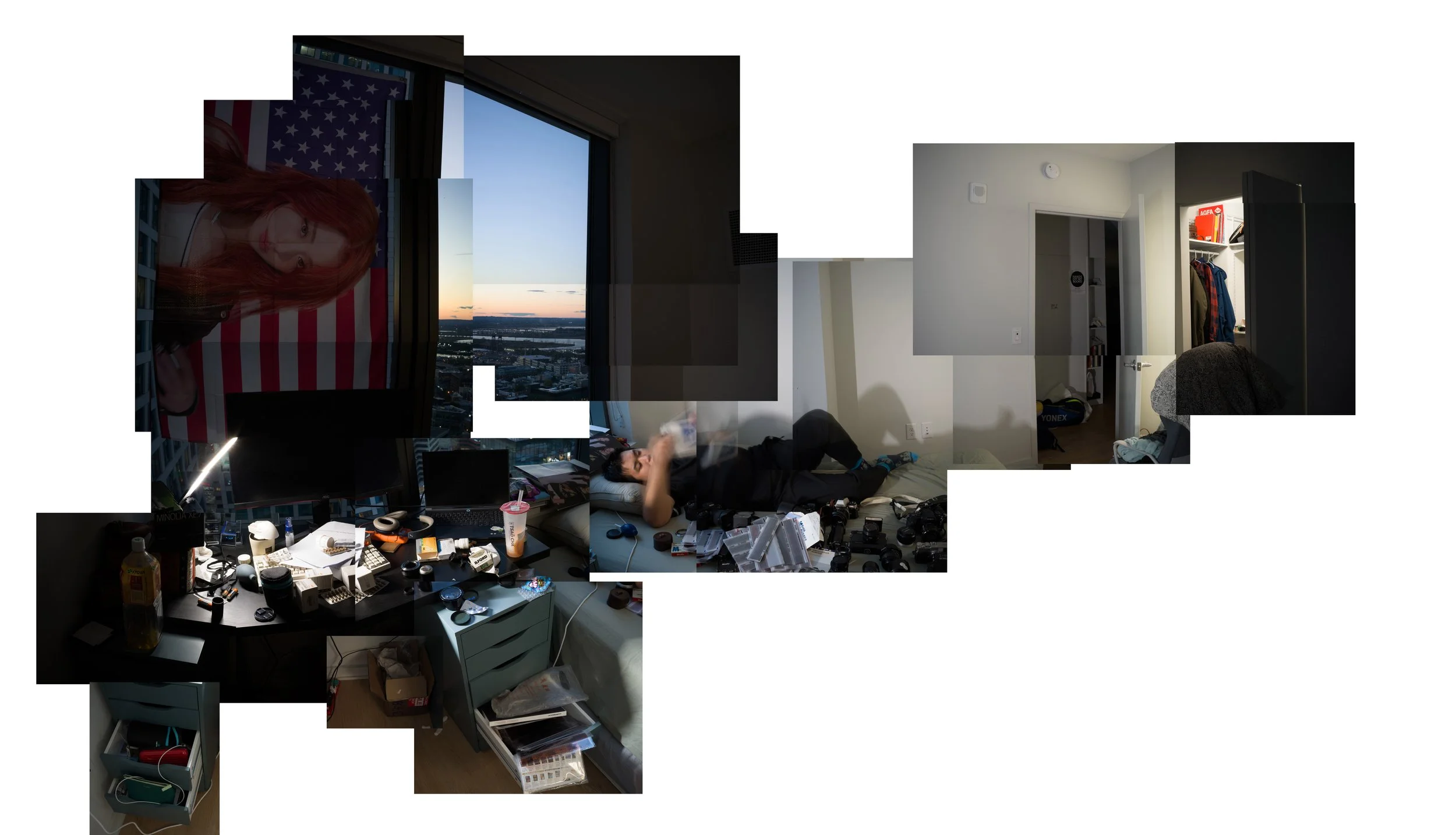
Title: Jeremy, Photo Collage, 2025
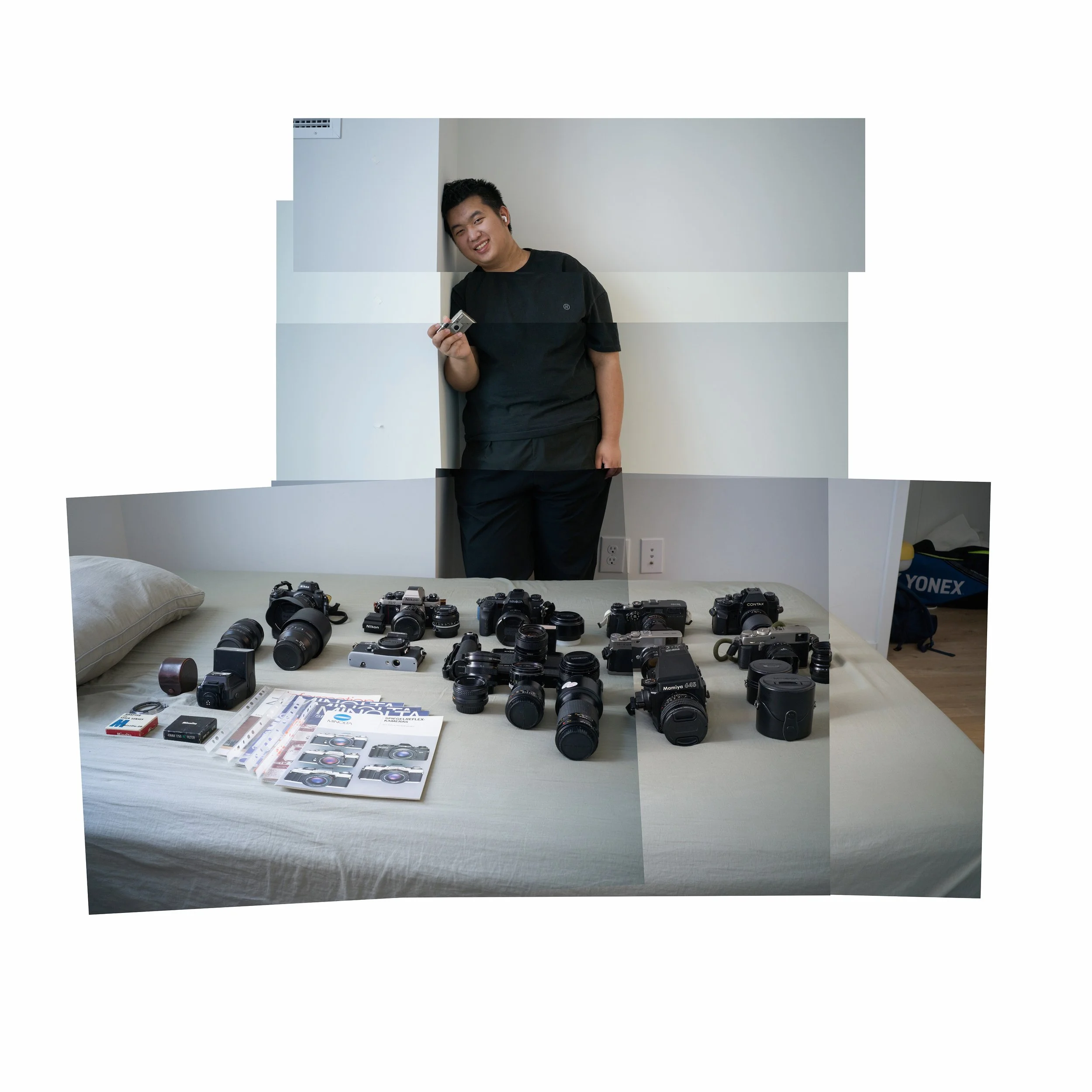
Title: Jeremy, Photo Collage, 2025
Each piece in the series takes the form of a photographic collage, composed of dozens of frames captured through panning the camera or by changing the direction of the lens. I believe this way creates a stronger sense of space rather than flattening the whole image. The final presentation of each piece of work is supposed to create a physical installation with different layers. Small detail images are placed atop large overview images to enhance a sense of spatiality. I want my audiences to feel that my photographs are a portal that connects them to these people’s actual spaces. As if they were invisible observers who peered into these students’ lives. My goal this year with this project is to turn these photographs into portals, connecting audiences to the universal, unspoken experience of university students navigating solitude, community, and their transition into adulthood.